
Stroke recovery
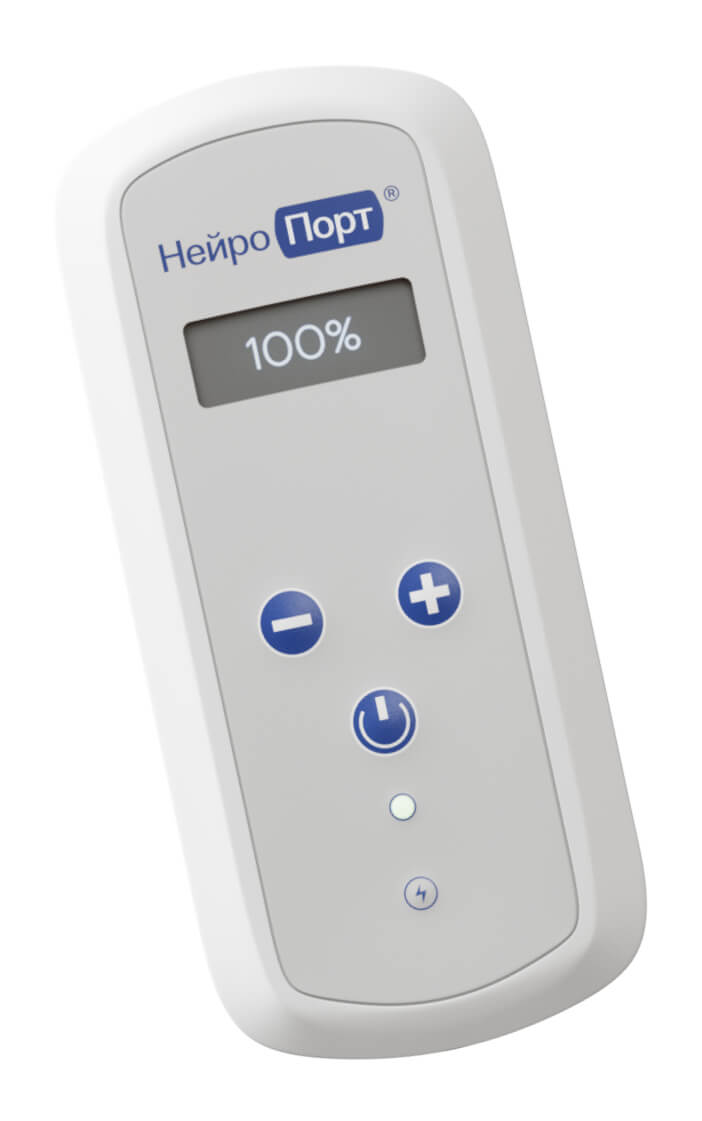
NeyroPort creates a new path to the desired area of the brain, bypassing the break in the neural circuit that occurred as a result of the stroke.
Stroke recovery with NeyroPort
A stroke is an acute disruption of the blood supply to the brain, which leads to a decrease in its functions. The brain controls all processes in the body and ensures the coordinated work of internal organs.
NeyroPort is a key that will allow you to restore lost body functions by engaging previously unused areas of the brain in the work process, or will pave a new path to the desired area of the brain, bypassing the break in the neural chain that occurred as a result of a stroke. Everything depends on where the cerebral circulation was disrupted, and on the degree and type of stroke.
NeyroPort either accelerates the rehabilitation and recovery process, or moves from a dead point what conventional physiotherapy, medications, manual therapy and massages could not do.
NeyroPort is the key to a new, fulfilling life
NeyroPort does not replace drug and physical therapy treatment, it accelerates the rehabilitation process.
Type of stroke
Ischemic stroke (cerebral infarction) is a disorder of blood circulation in the brain that leads to damage to its tissues and functions. It can be caused by insufficient blood supply to a certain part of the brain due to problems with the vessels, heart or blood. The negative consequences of ischemic stroke depend on the volume of brain damage, as well as the location of the damaged area.
Consequences:
– movement disorders: paresis (partial paralysis), weakness, heaviness in the limbs (usually on one side of the body), loss of fine motor skills, loss of facial expressions on one or both halves of the face;
– decreased sensitivity; speech disorders: slurred speech, difficulty finding words, misunderstanding others (aphasia, dysarthria);
– visual impairment: black spots, general deterioration of vision, double vision;
– cognitive impairment: decreased attention, memory, decreased speed and quality of thinking, writing and reading disorders;
– emotional disorders, depression.
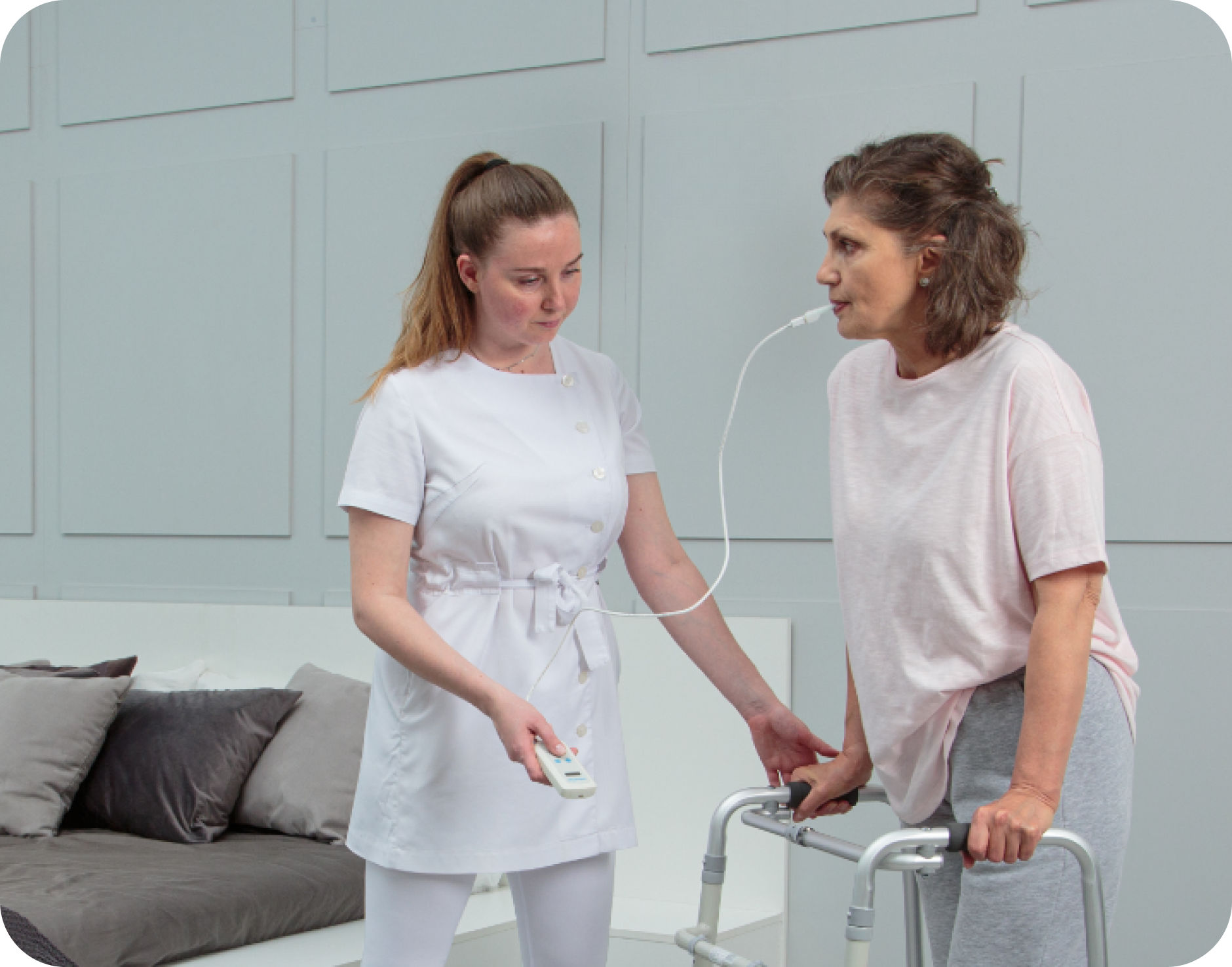
Where NeyroPort Helps
Hemorrhagic stroke (intracerebral bleeding) — bleeding in the substance of the brain, caused by the rupture of pathologically altered walls of cerebral vessels or diapedesis (the process of the release of formed blood elements through the walls of capillaries and small veins due to a violation of their tone and permeability, observed, in particular, in inflammation of the tissues surrounding these vessels).
Consequences of left-handedness:
– right-sided weakness or paralysis, sensitivity disorder;
– problems with speech and language comprehension (aphasia);
– vision problems, including inability to see the correct field of vision with each eye;
– violation of the ability to read, reason and analyze objects;
– behavioral changes such as depression, caution and indecisiveness;
– impaired ability to read, write and learn new information;
– memory problems.
Consequences of right-handed:
– left-sided weakness or paralysis, sensitivity disorder;
– vision problems, including inability to see the left field of vision of each eye;
– spatial problems with the perception of directions, for example, up or down, forward or backward;
– inability to recognize body parts;
– inability to find items such as clothes or toiletries;
– memory problems;
– behavioral changes, such as lack of concern for situations, impulsivity, tearfulness and depression.
Translingual neurostimulation
Methodology of work
General recommendation
The use of NeyroPort is indicated in courses depending on the degree of impairment. Individual consultation and doctor’s supervision are recommended.
For those who have suffered an ischemic stroke
Combine the course with speech and swallowing restoration and treatment of depressive states.
For those who have suffered a left-sided stroke
For those who have suffered a right-sided stroke
Combine the course with the restoration of cognitive functions and spatial representations.
Exercise at home or under the supervision of a physician
1 session = 20 minutes
1-2 sessions per day
10-20 sessions per course
1-3 months break
Video
Training

First training session using NeyroPort
Training on Lokomat using Neyroport
The robotic orthopedic trainer Lokomot together with the translingual stimulation trainer NeyroPort allows you to: speed up the rehabilitation process, get an additional effect from training; consolidate the natural.
Neurorehabilitation - Moskin Oleg Viktorovich
Oleg Viktorovich Moskin conducts neurorehabilitation classes with the Neyroport device.
Neyroport is a translingual stimulation device that provides recovery after a stroke, craniocerebral…
Exercises after a stroke at home
What exercises to do during rehabilitation
How long will it take to recover?
What should be the intensity of the impact on the tongue plate?
The tongue is a unique place for communication with the brain. The signal from other parts of the body comes to the brain via the spinal cord. 10-15 thousand incredibly densely located, highly sensitive mechanoreceptors (nerve endings) of the tongue, through the trigeminal and facial nerves (the front two thirds of the tongue) transmit the signal directly to the brainstem.
With all types of stimulation, responses were obtained in the tongue. In simple terms, even if you shock your wrist, after 40 ms. nerve impulses are “read” in the muscles of the tongue. Other studies show that just 30 seconds of translingual neurostimulation of the tongue provides increased excitability of the cerebral cortex for 6 hours.
What to do about salivation?
The main inconvenience during the first procedures is increased salivation, which gradually passes after several sessions. It is better to swallow saliva than to spit it out. The body adapts to the new effect faster and salivation is normalized. Additionally, the swallowing skill is trained.
Can it be used without a doctor?
Yes, you can. The neurostimulator is effective in combination with physical or cognitive exercises. Any exercises aimed at restoring lost functions with NeyroPort give stable positive results. The device is used in many medical institutions in the country. If possible, a rehabilitation doctor can help you choose the most effective set of individual exercises. The speed and quality of rehabilitation can increase several times.
Is it possible to interrupt treatment without consequences?
Contraindications
The translingual neurostimulation technique is capable of providing stable long-term results, but should not be used in.
– Severe cardiovascular diseases in the decompensation stage
– Acute infectious diseases
– Presence of a pacemaker or other electronic implants
– Infectious skin diseases
– Damage to the oral mucosa
– Allergic reactions to gold, copper, nickel
– Infectious diseases of the oral cavity
– Pregnant women and children under three years of age
– Epilepsy
– Individual intolerance to the electric field