

Degenerative diseases of the central nervous system
NeyroPort restores lost connections and, thanks to the plasticity of the brain, helps improve the passage of impulses
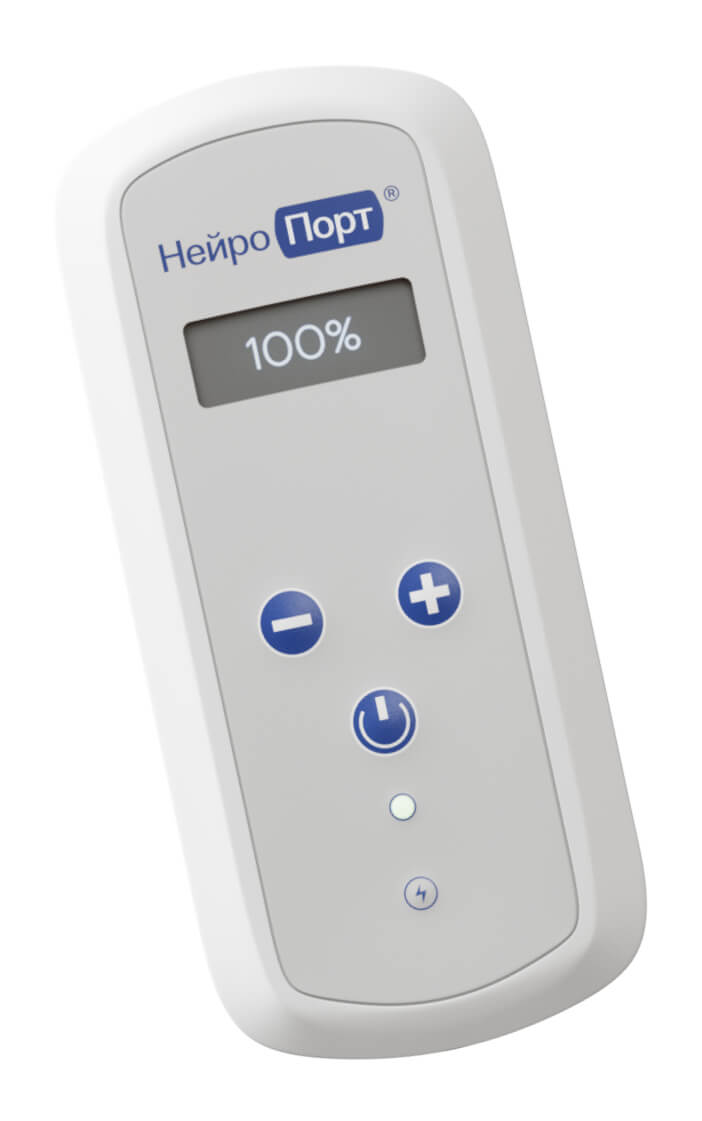
Helps with Degenerative diseases of the Central Nervous System
The main characteristics of the group of degenerative diseases of the central nervous system:
– in the early stages, the disease may proceed unnoticed, and the nervous system may function absolutely normally;
– problems with speech and understanding of language (aphasia);
– some diseases are associated with hereditary factors and develop in several members of the same family;
– gradual death of neurons and their replacement by glial elements occurs;
– atrophic processes at the initial stage of pathology development occur in a certain area of one of the hemispheres of the brain;
– during the advanced stage of degeneration, atrophy in the brain becomes almost symmetrical.
Факторы, способствующие дегенерации головного мозга:
– alcohol abuse, drug addiction;
– toxic effects of pesticides and herbicides;
– meningococcal infection;
– viral encephalitis;
– vitamin B12 and folic acid deficiency.
NeyroPort is the key to a new, fulfilling life
NeyroPorta is indicated for use under the supervision of a physician
Dementia is a syndrome of decreased intelligence caused by organic damage to the brain and leading to social maladjustment, loss of the ability to continue professional activity, and impairment of self-care skills.
Dementia can be caused by various reasons, including vascular diseases, Alzheimer’s disease, injuries, brain tumors, etc. The prevalence of the disease increases with age. According to statistics, severe dementia is detected in 5% of people, mild dementia – in 16%.
In most cases, acquired dementia is irreversible. Therefore, the most important task of doctors is the timely diagnosis and treatment of diseases that can cause dementia, as well as stabilization of the pathological process in patients with acquired dementia. Dementia treatment is carried out by specialists in the field of psychiatry in cooperation with neurologists, cardiologists and doctors of other specialties.
4 types of dementia with damage to different parts of the brain:
– Cortical dementia: mainly the cerebral cortex is affected. It is observed in alcoholism, Alzheimer’s disease and Pick’s disease;
– Subcortical dementia: subcortical structures are affected. It occurs in Parkinson’s disease, Huntington’s disease and hemorrhages in the white matter;
– Cortical-subcortical dementia: both the cortex and subcortical structures are affected. It is observed in vascular pathology;
– Multifocal dementia: multiple areas of necrosis and degeneration are formed in various parts of the central nervous system.
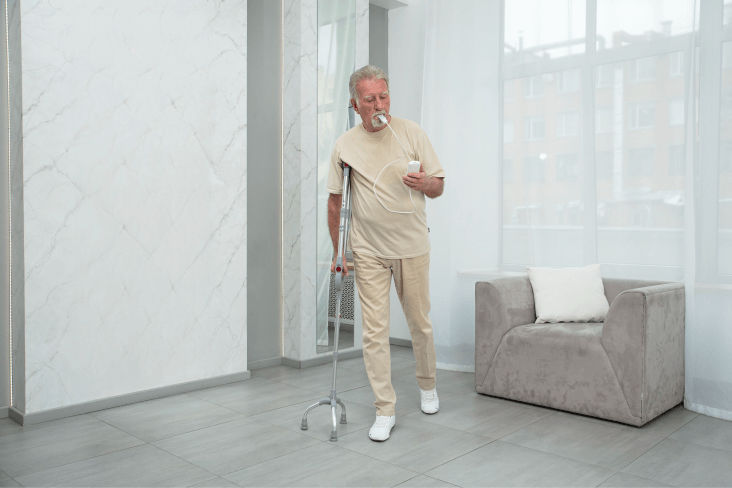
Alzheimer's disease
Alzheimer’s disease was described in 1906 by the German psychiatrist Alois Alzheimer. Until 1977, this diagnosis was made only in cases of early dementia (at the age of 45-65 years), and when symptoms appeared at the age of over 65 years, senile dementia was diagnosed. Then it was established that the pathogenesis and clinical manifestations of the disease are the same regardless of age. Currently, the diagnosis of Alzheimer’s disease is made regardless of the age at which the first clinical signs of acquired dementia appear.
Risk factors include age, the presence of relatives suffering from this disease, atherosclerosis, hypertension, excess weight, diabetes, low physical activity, chronic hypoxia, traumatic brain injury and lack of mental activity throughout life. Women get sick more often than men.
Vascular dementia
There are two types of vascular dementia:
– developed after a stroke;
– developed as a result of chronic insufficiency of blood supply to the brain.
In post-stroke acquired dementia, focal disorders (speech disorders, paresis and paralysis) usually prevail in the clinical picture. The nature of neurological disorders depends on the location and size of the hemorrhage or area with impaired blood supply, the quality of treatment in the first hours after the stroke and other factors.
In chronic blood supply disorders, symptoms of dementia prevail, and neurological symptoms are quite uniform and less pronounced.
Alcoholic dementia
Alcoholic dementia is caused by long-term (15 years or more) alcohol abuse. Along with the direct destructive effect of alcohol on brain cells, the development of dementia is caused by disruption of the functioning of various organs and systems, severe metabolic disorders and vascular pathology.
Alcoholic dementia is characterized by typical personality changes: coarsening, loss of moral values, social degradation. They are combined with a total decline in mental abilities: absent-mindedness, difficulty with analytical abilities, planning and abstract thinking abilities, memory disorders.
Translingual neurostimulation
Methodology of work
General recommendation
Combine the course with exercise therapy, speech therapy, and medication.
Diagnostics
Individual consultation and medical supervision are recommended.
Training program
Classes can be conducted independently or in a group, according to an individual program prescribed by the attending physician or rehabilitation specialist.
Application of NeyroPort
The use of NeyroPort is indicated in courses. The frequency of course repetition depends on the dynamics of changes.
Exercise at home or under the supervision of a physician
1 session = 20-25 minutes
1-2 sessions per day
10-20 sessions per course
Video
Training

First training session using NeyroPort
Training on Lokomat using Neyroport
The robotic orthopedic trainer Lokomot together with the translingual stimulation trainer NeyroPort allows you to: speed up the rehabilitation process, get an additional effect from training; consolidate the natural.
Neurorehabilitation - Moskin Oleg Viktorovich
Oleg Viktorovich Moskin conducts neurorehabilitation classes with the Neyroport device.
Neyroport is a translingual stimulation device that provides recovery after a stroke, craniocerebral…
Exercises after a stroke at home
What exercises to do during rehabilitation
Improving cognitive functionsArticulation and speechMotor activityBalance and coordinationSwallowing functionOrientation in spaceAccelerating rehabilitationSelf-care skills
Contraindications
The translingual neurostimulation technique is capable of providing stable long-term results, but should not be used in.
– Severe cardiovascular diseases in the decompensation stage
– Acute infectious diseases
– Presence of a pacemaker or other electronic implants
– Infectious skin diseases
– Damage to the oral mucosa
– Allergic reactions to gold, copper, nickel
– Infectious diseases of the oral cavity
– Pregnant women and children under three years of age
– Epilepsy
– Individual intolerance to the electric field