Insomnia
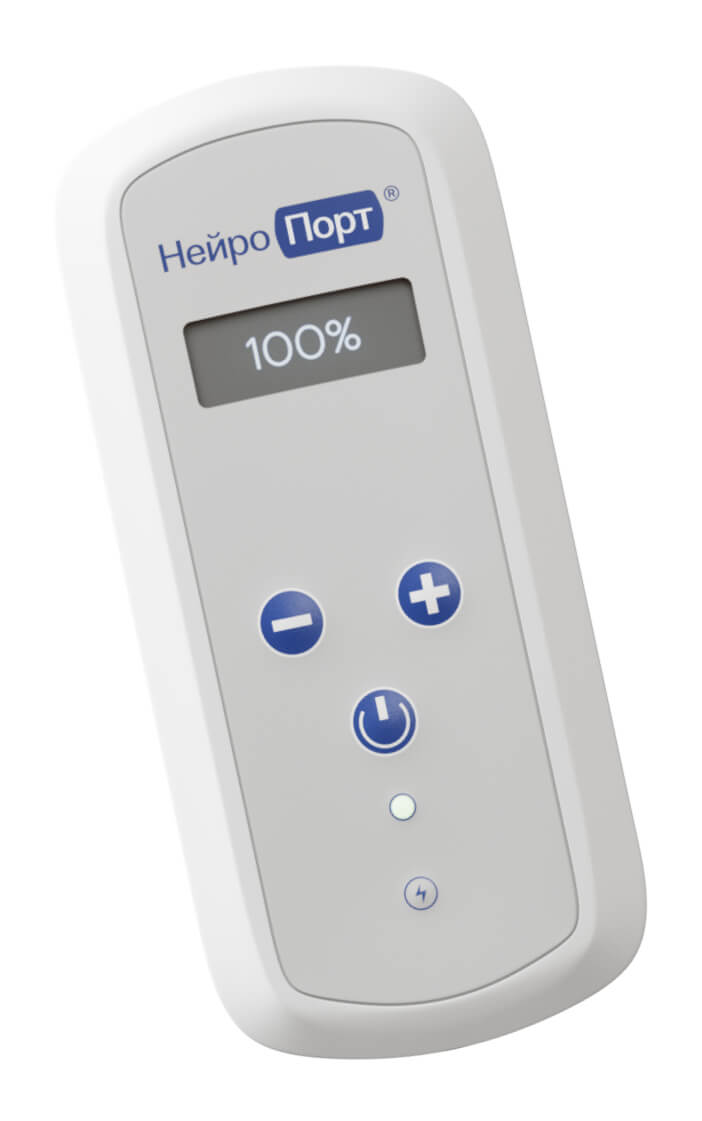
NeyroPort is a non-prescription sleep medicine for adults that helps activate the production of serotonin and melatonin, the hormones responsible for sleep.
Helps with insomnia
As a result, a person cannot fully rest, restore strength and efficiency during sleep, which reduces the quality of his life. Sleep disorders to one degree or another are observed in almost half of the adult population, however, only in 9-15% of people such a problem becomes clinically significant. Chronic insomnia is observed much more often in elderly people than in young people – in more than 55% of cases.
Complaints of poor sleep are typical for patients with stroke, dementia, Parkinson’s disease and Alzheimer’s disease. Mental illnesses such as depression, schizophrenia, anxiety-manic states are also accompanied by sleep disorders.

NeyroPort is the key to healthy rest during sleep
NeyroPort helps normalize sleep without addiction and side effects.
Where NeyroPort Helps
Difficulty falling asleep is the most common complaint of patients. When getting into bed, the drowsiness that a person had experienced before disappears under the influence of various factors. These may be unpleasant thoughts and memories, the inability to find a comfortable position, restless leg syndrome, pain or itching, extraneous sounds. Light drowsiness is disturbed even by the slightest noise, and sometimes a person who has fallen asleep believes that he “didn’t sleep for a minute.”
Depending on the duration:
– acute (transient) sleep disorder: can occur in any person under the influence of stress, overexcitement, due to a change in time zone;
– short-term sleep disorder: lasts less than 6 months;
– chronic sleep disorder: lasts more than six months and develops in people predisposed to it. Usually, elderly patients, patients with chronic diseases, people who for one reason or another sleep no more than 5 hours a day are subject to this condition.
Depending on the reason:
– primary insomnia: no organic, psychiatric, neurological reasons for sleep disturbance;
– secondary insomnia: a consequence of various diseases, taking stimulants or any unfavorable external conditions.
Translingual neurostimulation
Methodology of work
General recommendation
The use of NeyroPort is indicated in courses. The frequency of course repetition depends on the dynamics of changes.
Diagnostics
It is recommended to use under the supervision of a physician, taking into account the underlying disease.
Training program
Classes can be conducted independently or in a group, according to an individual program prescribed by the attending physician or rehabilitation specialist.
Application of NeyroPort
Neyroport helps reduce the time it takes to fall asleep, improve sleep quality and reduce the number of night awakenings.
Exercise at home or under the supervision of a physician
1 session = 20-25 minutes
1 session per day
15-20 sessions per course
Video
Training
First training session using NeyroPort
Training on Lokomat using Neyroport
The robotic orthopedic trainer Lokomot together with the translingual stimulation trainer NeyroPort allows you to: speed up the rehabilitation process, get an additional effect from training; consolidate the natural.
Neurorehabilitation - Moskin Oleg Viktorovich
Oleg Viktorovich Moskin conducts neurorehabilitation classes with the Neyroport device.
Neyroport is a translingual stimulation device that provides recovery after a stroke, craniocerebral…
Exercises after a stroke at home
What exercises to do during rehabilitation
Acceleration of rehabilitationRegular sleepRegulation of circadian rhythmsReduction of time to fall asleepImprovement of sleep qualityReduction of night awakeningsControl of emotionsSustainability of results
Contraindications
The translingual neurostimulation technique is capable of providing stable long-term results, but should not be used in.
– Severe cardiovascular diseases in the decompensation stage
– Acute infectious diseases
– Presence of a pacemaker or other electronic implants
– Infectious skin diseases
– Damage to the oral mucosa
– Allergic reactions to gold, copper, nickel
– Infectious diseases of the oral cavity
– Pregnant women and children under three years of age
– Epilepsy
– Individual intolerance to the electric field