Attention deficit hyperactivity disorder
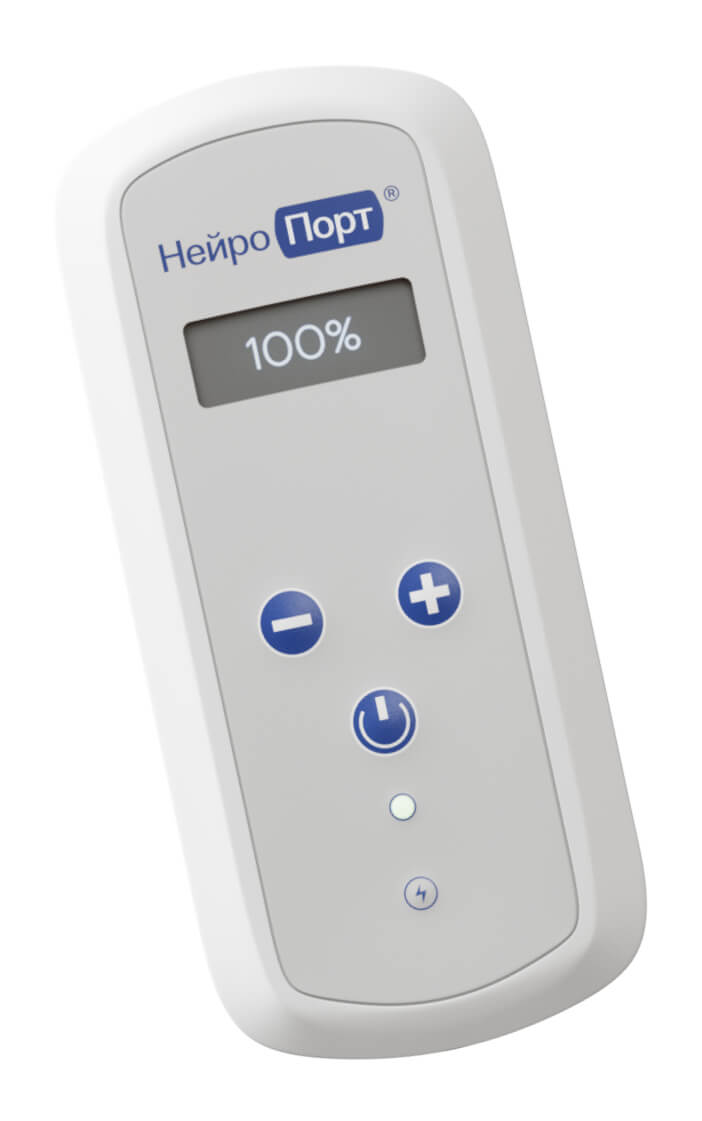
NeyroPort helps you learn to concentrate, focus on a specific topic, remember and assimilate material.
NeyroPort helps with ADHD
There is no cure for ADHD, but the syndrome can be corrected. Moderate sports activities, such as walking, swimming, skating and skiing, are an excellent method for restoring attention and reducing hyperactivity. In addition, observation by a psychologist or defectologist is desirable.
NeyroPort helps to enhance the influence of play therapy, during which the child learns to correctly and appropriately express their emotions, determine the boundaries of interaction and understand social norms. They transfer these skills into their lives, self-control develops.

NeyroPort is the key to a new, fulfilling life
To correct ADHD, a speech therapist combines play therapy with the use of translingual stimulation.
ADHD is a hyperkinetic disorder
Speech disorders:
– organic speech disorder (OSD);
– mental retardation (MR);
– psychoverbal developmental delay (PSD);
– speech articulation disorder caused by problems in the nervous system or muscles that control the speech organs (dysarthria);
– writing and text spelling disorder associated with difficulties in graphomotor coordination and spelling (dysgraphia);
– reading and written text comprehension disorder, usually associated with difficulties in recognizing and interpreting letters and words (dyslexia).
Where NeyroPort Helps
There are three types of disorder: predominantly inattention, predominantly hyperactivity-impulsivity, and a mixed type that combines features of inattention, hyperactivity, and impulsivity.
Inattention is expressed:
– careless mistakes in completing schoolwork, work, or other activities;
– failure to pay careful attention to details;
– lack of attention while completing assignments or playing;
– disengagement from spoken language;
– failure to follow instructions or complete schoolwork, homework, or work responsibilities;
– difficulty organizing assignments and other activities;
– avoidance of tasks that require prolonged mental effort;
– distractibility by extraneous stimuli;
– forgetfulness in everyday situations.
Hyperactivity-impulsivity is expressed:
– restlessness of movements or beating out a rhythm with the hands or feet;
– increased motor activity in unacceptable situations;
– lack of concentration;
– excessive talkativeness;
– frequently blurting out an answer without waiting for a question;
– intolerance of waiting for one’s turn;
– frequently interrupting the interlocutor or intruding into someone else’s conversation.
Translingual neurostimulation
Methodology of work
General recommendation
Combine the course with remedial classes with a neuropsychologist, speech therapist-defectologist, as well as with drug treatment.
Diagnostics
Individual consultation and medical supervision are recommended.
Training program
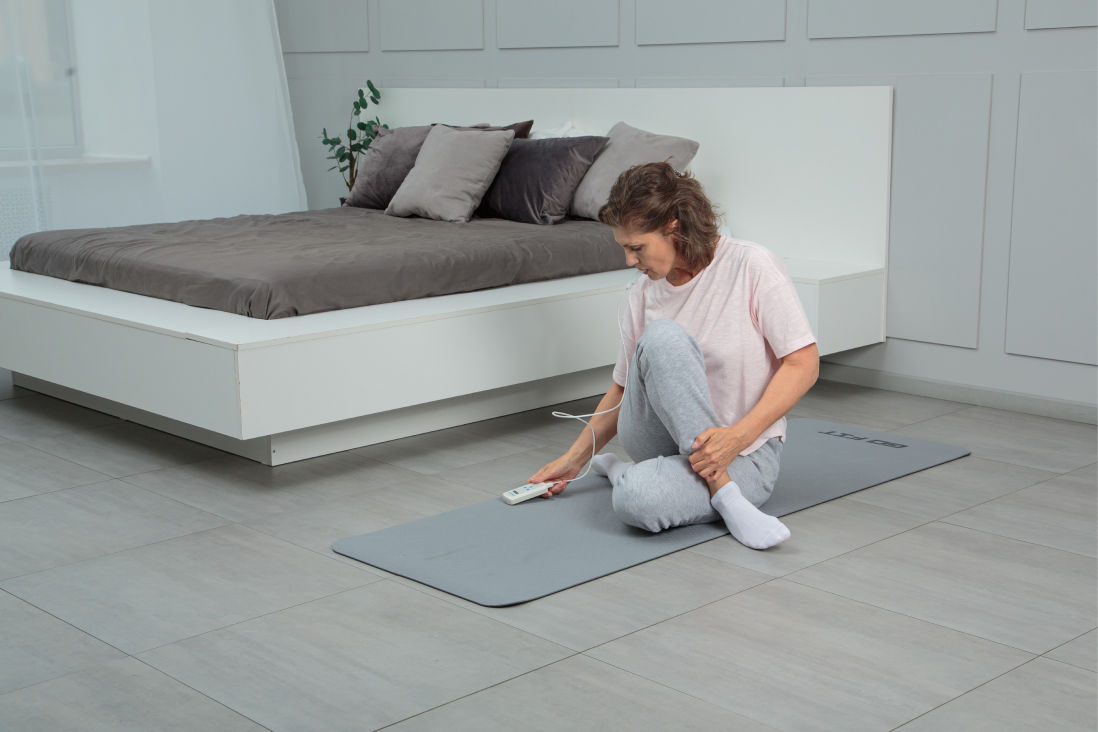
Classes can be conducted independently or in a group, according to an individual program prescribed by the attending physician or rehabilitation specialist.
Application of NeyroPort
The use of NeyroPort is indicated in courses. The frequency of course repetition depends on the dynamics of changes.
Exercise at home or under the supervision of a physician
1 session = 20-25 minutes
1-2 sessions per day
20 sessions per course
Video
Training
First training session using NeyroPort
Training on Lokomat using Neyroport
The robotic orthopedic trainer Lokomot together with the translingual stimulation trainer NeyroPort allows you to: speed up the rehabilitation process, get an additional effect from training; consolidate the natural.
Neurorehabilitation - Moskin Oleg Viktorovich
Oleg Viktorovich Moskin conducts neurorehabilitation classes with the Neyroport device.
Neyroport is a translingual stimulation device that provides recovery after a stroke, craniocerebral…
Exercises after a stroke at home
What exercises to do during rehabilitation
Acceleration of rehabilitationArticulation and speechFine motor skillsImprovement of learning skillsImprovement of memory and perceptionImprovement of attentionControl of emotionsSustainability of results
Contraindications
The translingual neurostimulation technique is capable of providing stable long-term results, but should not be used in.
– Severe cardiovascular diseases in the decompensation stage
– Acute infectious diseases
– Presence of a pacemaker or other electronic implants
– Infectious skin diseases
– Damage to the oral mucosa
– Allergic reactions to gold, copper, nickel
– Infectious diseases of the oral cavity
– Pregnant women and children under three years of age
– Epilepsy
– Individual intolerance to the electric field